
The psychology of players in the casino Unveiling the mind behind the bets with Pinco
The Allure of Casinos and the Psychology of Betting
The world of casinos is a fascinating blend of excitement, risk, and psychological engagement. Many players are drawn into this realm not merely by the prospect of winning but also by the sensory stimulation it provides. Bright lights, buzzing sounds, and the thrill of uncertainty can create an intoxicating atmosphere. This environment acts on the brain’s reward system, releasing dopamine—a neurotransmitter associated with pleasure and motivation. As players place their bets, they often experience a rush that further fuels their desire to play. For those curious about online options, https://pinko-betting.ca/ offers plenty of opportunities to explore.
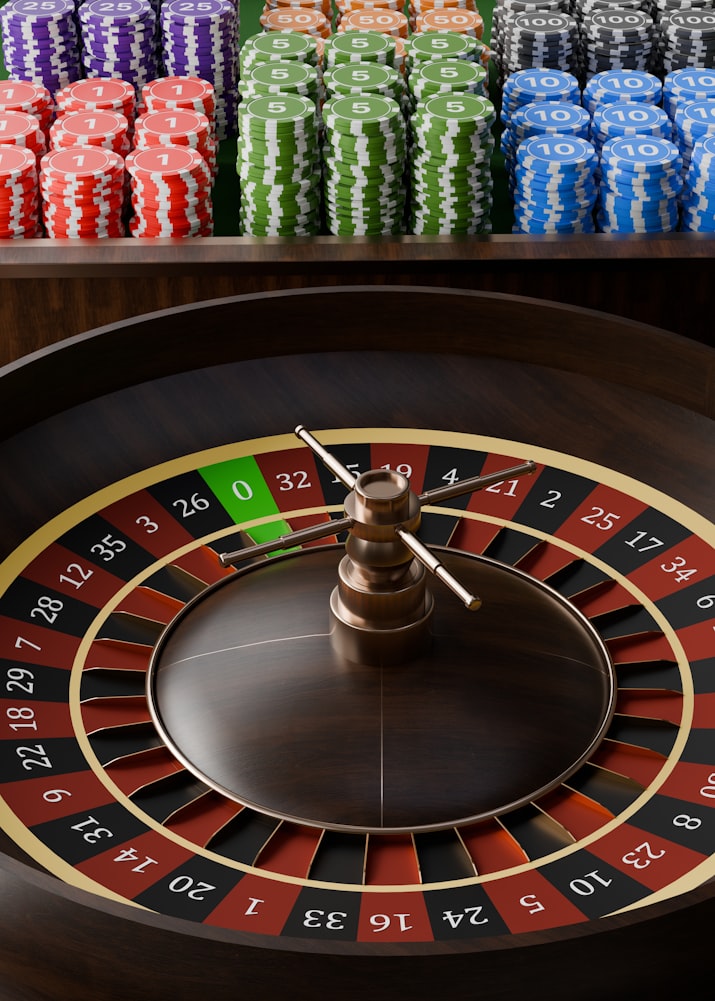
This phenomenon, often referred to as the “gambling high,” can cloud judgment, making it challenging for players to recognize when they are engaging in risky behavior. The combination of anticipation and potential reward can lead to a phenomenon known as ‘loss chasing,’ where players continue to wager in hopes of recouping their losses. Understanding this psychological trap is crucial for both players and operators, as it highlights the importance of responsible gaming practices in maintaining a healthy relationship with gambling.
Moreover, cognitive biases play a significant role in the decisions made by casino players. Concepts like the “gambler’s fallacy”—the belief that past events can influence future outcomes—can lead players to make irrational choices. For instance, after a series of losses, a player may believe they are “due” for a win. This misconception can drive them to bet larger amounts, often exacerbating their financial situation. Recognizing these biases is essential for players to approach their gambling experience with a clearer mindset.
The Impact of Emotions on Gambling Decisions
Emotions greatly influence the decision-making process for casino players. When players are in high spirits, they are more likely to take risks, believing they have luck on their side. Conversely, when emotions run low—such as after a bad day—the same player might engage in reckless betting as a means of escape. This rollercoaster of emotions not only affects their betting behavior but also their ability to assess risks accurately. Understanding the interplay between emotions and gambling can help players make more informed choices during their gaming experiences.
Additionally, social factors can amplify emotional responses in a casino setting. The presence of friends or fellow gamblers can create a sense of community and increase excitement, leading individuals to bet more aggressively than they would alone. Conversely, feelings of isolation or pressure from peers can have the opposite effect, prompting players to retreat from the gaming floor. The social dynamics within casinos are a critical aspect of understanding why players engage in certain behaviors.
An awareness of emotional triggers is vital for players to maintain control over their gambling habits. By recognizing what emotions lead them to bet more, players can develop strategies to mitigate impulsive decisions. Techniques such as taking breaks or setting loss limits can be effective tools for managing emotional responses while playing in a casino environment.
The Role of Cognitive Dissonance in Gambling
Cognitive dissonance refers to the mental discomfort experienced when one’s beliefs are contradicted by their actions. In gambling, this may manifest when players acknowledge their losses yet continue to gamble. This internal conflict can lead individuals to rationalize their behavior in various ways, such as convincing themselves that they will win it all back if they just keep playing. Understanding this psychological process is crucial in addressing potential gambling addiction and promoting healthier gaming habits.
Furthermore, the rationalization of losses often intertwines with the identity players create around their gambling habits. Some might consider themselves ‘strategists’ or ‘high rollers,’ and this self-image can prevent them from seeing the negative consequences of their gambling behavior. This identity can also perpetuate ongoing betting, as players feel pressured to maintain their persona. Recognizing and addressing these self-imposed labels is essential for fostering a more balanced approach to gambling.
To combat cognitive dissonance, players can benefit from developing a clearer understanding of their motivations for gambling. Whether seeking social interaction, thrill, or financial gain, having an honest assessment of their reasons can provide insight into their behavior. By fostering awareness, players can reduce the disconnect between their actions and beliefs, leading to more responsible gambling practices.
The Influence of Marketing and Environment on Player Behavior
The casino environment is meticulously designed to maximize player engagement and spending. From the layout of the gaming floor to the sounds and aromas wafting through the air, every aspect is curated to keep players inside and wagering. Marketing strategies play a significant role in this dynamic as well, leveraging various psychological principles to attract players. Promotions and bonuses are often framed in ways that highlight potential gains while downplaying the risks, influencing player perceptions and decisions.
Moreover, the strategic placement of slot machines and table games encourages players to stay longer. The design of these spaces is meant to reduce awareness of time, as patrons become engrossed in their activities. This manipulation of the gaming environment can lead to overspending and extended play sessions, which can be detrimental to players’ financial well-being. Understanding these marketing tactics can empower players to make conscious decisions about their gaming habits.
Casino operators must also recognize the responsibility they bear in creating a fair and safe environment. By promoting responsible gambling messages and providing tools to manage play, they can help mitigate the potential negative impacts of their marketing strategies. Encouraging players to take breaks, set limits, and seek support when needed can foster a healthier gaming culture overall.

Pinko Betting: A Responsible Approach to Online Gambling
Pinko Bet Canada is committed to providing players with a safe and enjoyable gambling experience. Launched with a focus on responsible gaming, the platform offers features designed to promote healthy habits and protect players from the pitfalls of excessive gambling. With secure transactions and a user-friendly interface, players can engage with confidence while exploring over 15,000 daily betting markets.
The platform prioritizes the mental well-being of its users, offering tools for self-exclusion, budget setting, and access to educational resources on responsible gaming practices. Pinko Bet believes that understanding the psychology behind gambling is essential for fostering a safe environment for all players. By providing support and tools, the platform aims to cultivate a community of responsible gamblers who can enjoy the thrill of the game without compromising their financial stability.
In conclusion, understanding the psychology of casino players is crucial for both individuals and operators. By recognizing the emotional, cognitive, and environmental factors that influence betting behavior, players can make informed choices about their gambling habits. Platforms like Pinko Bet are leading the way in promoting responsible gaming, ensuring that the thrill of the game can be enjoyed safely and responsibly.